Emira Fresh Food
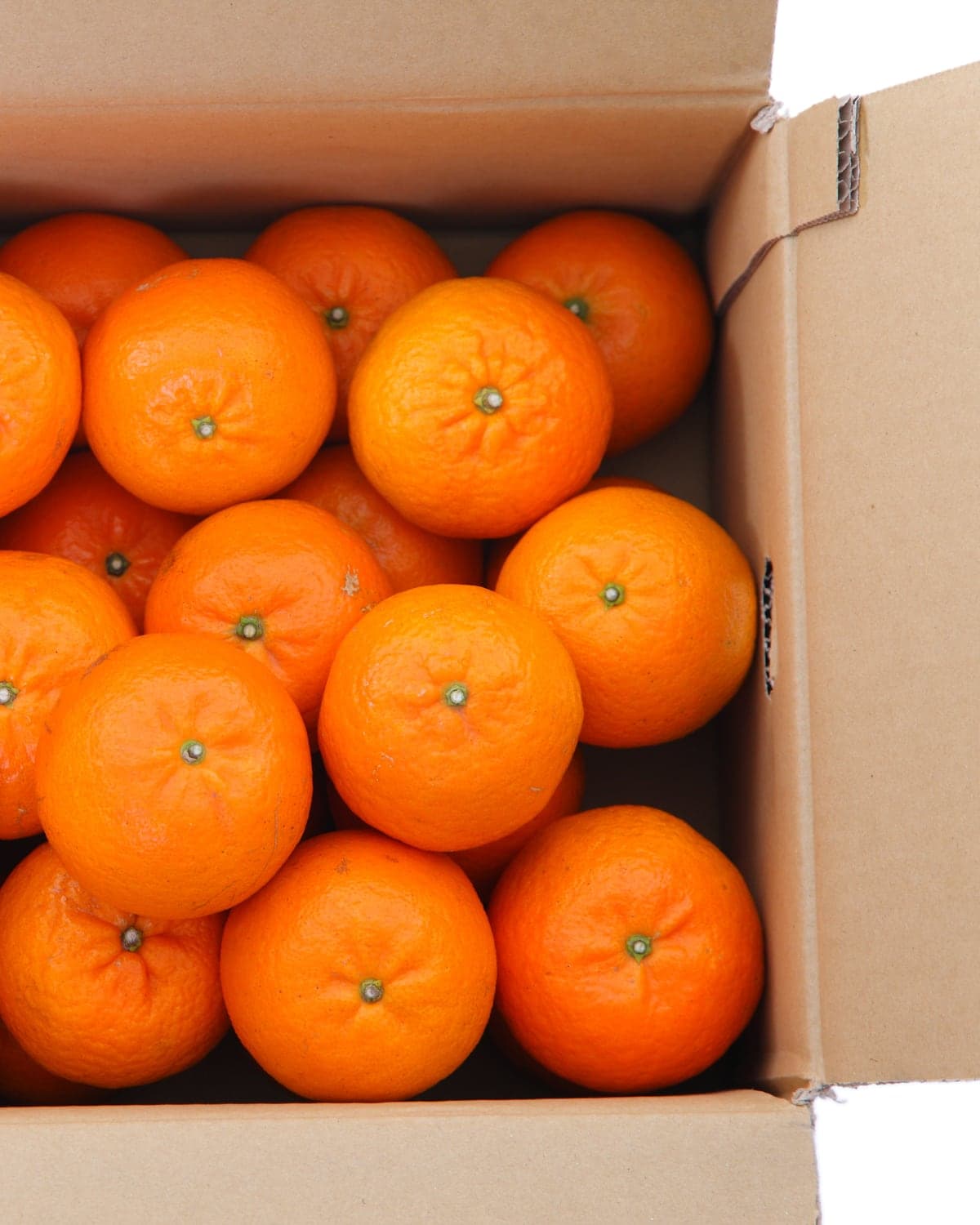
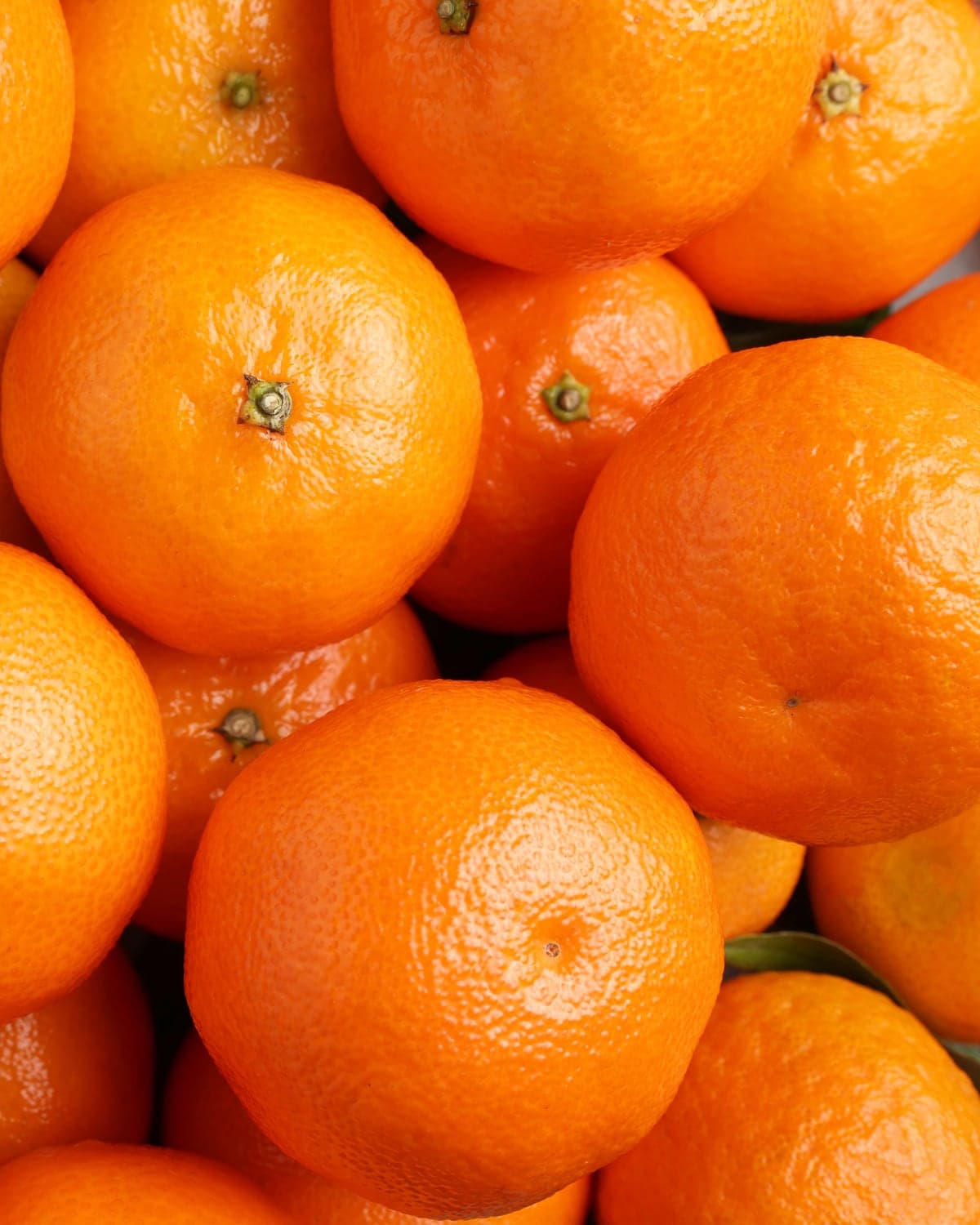
Mandarin (Citrus reticulata) grown and packed in Türkiye — seven varieties running from late september through march — easy-peel satsumas early, murcott late.

Mandarin

Citrus reticulata

Seven varieties running from late September through March — easy-peel Satsumas early, Murcott late.

HS code
0805.21
Varieties
7
Availability
Mandarin. Available September to March. Peak February and October to December.

Citrus

Overview

Mandarins are the backbone of the Turkish citrus export programme, and the reason our season opens earlier than most Mediterranean origins. Fruit from the Çukurova plain colours in the third week of September, which puts the first Okitsu containers on the water while northern-hemisphere competitors are still four to six weeks out.

The variety ladder matters more here than in any other citrus. Satsumas — Okitsu, Miho Wase, Dobashi Beni, Owari — are seedless, loose-skinned and built for the early market, but they soften in store and will not carry a long transit late in their window. Fremont and Nova bridge December. W. Murcott closes the season from January with a firmer, denser fruit that holds brix and travels well to the Gulf and Far East.

We pick to colour break and internal maturity rather than to a calendar date, and every lot is degreened only where the destination market requires it. Ask for the Brix/acid ratio on the lot you are quoting — we report it per pick, not per season.

Nutrition claims

  • Vitamin C contributes to the normal function of the immune system
  • Vitamin C contributes to the reduction of tiredness and fatigue
  • Source of dietary fibre
  • Naturally low in fat and sodium

Wording follows EU Regulation 1924/2006. Confirm permitted claims for your destination market.

7 varieties

Varieties

Open a variety for full detail

Okitsu mandarin — flat-round, slightly depressed, pale to mid orange, green shoulder at first pick

Okitsu

The earliest Satsuma we grow and the variety that opens the season. Seedless, very loose-skinned and easy to peel cold, with a flat-round shape and pale orange rind that often still carries a green shoulder at first pick. Brix is modest at 9–11° so it is picked on the acid drop rather than on sugar.

  • Seedless
  • Easy peel
  • Brix 9–11°
Shape
Flat-round, slightly depressed
Skin
Pale to mid orange, green shoulder at first pick
Okitsu. Available September to November. Peak October.
Miho Wase mandarin — round to flat-round, mid orange, even

Miho Wase

An early Satsuma a week or two behind Okitsu, with better colour at the same date and a slightly rounder fruit. Seedless and easy-peel, with thin rind that marks if handled warm. Brix 10–12°, and it eats sweeter than Okitsu at the same pick.

  • Seedless
  • Easy peel
  • Brix 10–12°
Shape
Round to flat-round
Skin
Mid orange, even
Miho Wase. Available October to November. Peak October to November.
Dobashi Beni mandarin — flat-round, deep red-orange

Dobashi Beni

A deeper-coloured early Satsuma selection, noticeably redder in the rind than Okitsu or Miho Wase, which makes it the pick for buyers selling on shelf appearance. Seedless, easy-peel, 10–12° brix. Rind is thin and the fruit will not hold beyond four weeks in store.

  • Seedless
  • Easy peel
  • Brix 10–12°
Shape
Flat-round
Skin
Deep red-orange
Dobashi Beni. Available October to November. Peak November.
Satsuma (Owari) mandarin — flat-round, medium-large, mid to deep orange

Satsuma (Owari)

The main-crop Satsuma and the volume variety of the early programme. Seedless, loose-skinned, medium to large, with a thicker rind than the earlies that gives it better transit tolerance. Brix 11–13°, and it holds condition through November into December.

  • Seedless
  • Easy peel
  • Brix 11–13°
Shape
Flat-round, medium-large
Skin
Mid to deep orange
Satsuma (Owari). Available October to December. Peak November.
Fremont mandarin — round, slightly flattened, deep red-orange, glossy

Fremont

A mid-season mandarin with deep red-orange rind and dense, firm flesh. It does carry seeds — typically 8 to 20 — which rules it out for some retail programmes, but the colour and the 12–14° brix make it a strong wholesale variety. Peels less cleanly than a Satsuma.

  • Medium peel
  • Brix 12–14°
Shape
Round, slightly flattened
Skin
Deep red-orange, glossy
Fremont. Available November to January. Peak December.
Nova mandarin — round, large, deep orange, high gloss

Nova

Also traded as Clemenvilla. A large, glossy, deep-orange mandarin that bridges December when the Satsumas are finishing. Seedless when grown in solid blocks but will set seed if cross-pollinated, so block isolation matters. Brix 12–14°, and it peels medium — tighter than a Satsuma, looser than an orange.

  • Seedless
  • Medium peel
  • Brix 12–14°
Shape
Round, large
Skin
Deep orange, high gloss
Nova. Available November to January. Peak December.
W. Murcott mandarin — flat-round, firm, deep orange, smooth

W. Murcott

Traded as Afourer. The late variety that closes our mandarin season and the best traveller of the seven. Firm, dense fruit with deep orange rind, seedless in isolated blocks, brix 13–15° with a high sugar/acid ratio. It holds condition on a five-week transit to the Gulf or Far East, which the Satsumas will not.

  • Seedless
  • Medium peel
  • Brix 13–15°
Shape
Flat-round, firm
Skin
Deep orange, smooth
W. Murcott. Available January to March. Peak February.

Calendar

All varieties, month by month

  • Peak season
  • Available
  • Not available
  • Current month
Availability by product and month
ProductJANFEBMARAPRMAYJUNJULAUGSEPOCTNOVDEC
OkitsuCitrus
Miho WaseCitrus
Dobashi BeniCitrus
Satsuma (Owari)Citrus
FremontCitrus
NovaCitrus
W. MurcottCitrus

Origin

Where this crop is grown, and why it matters.

Sizes

Sizes

Grading follows UNECE standards. Other calibers on request.

Size grades and calibers for Mandarin
SizesØ mmCount
178–8435–40
267–7845–50
363–7455–60
460–6865–70
556–6375–85
653–6090–100
750–56105–115

Storage

Storage

Recommended regime from our cold rooms to your door.

Storage
+4 to +6 °C
RH
90–95 % RH
Shelf life
21–35 days depending on variety
Ethylene
No

Transport regime

Reefer set +5 °C, 15 % fresh-air exchange, no CA required

Typical values per 100 g

Energy
53 kcal / 100 g
Vitamin C
27 mg / 100 g (34 % NRV)
Potassium
166 mg / 100 g
Dietary fibre
1.8 g / 100 g
Sugars
10.6 g / 100 g

Indicative reference values. Not a substitute for a certificate of analysis.

Packaging

Packaging

Every option below ships on standard pallets. Net weight per container is computed from the pallet configuration.

Packaging options for Mandarin
TypeNet kgDimensions mmPer palletPallets / 40′Net / 40′ kg
Open-top carton10400 × 300 × 130962120,160
Telescopic carton15500 × 300 × 160642120,160
Open-top carton5400 × 300 × 901442115,120
Girsberger / wooden crate20600 × 400 × 180482019,200
Mesh bag in carton21 kg × 2 nets2402110,080

Container calculator

Select a packing option to see pallet configuration and net load for mandarin.

Net weight per box
10 kg
Box dimensions
400 × 300 × 130 mm
Boxes per pallet
96
Pallets per 40′ HC
21
21
Total pallets
2,016
Total boxes
20,160 kg
Total net weight

Figures are for a standard 40′ high-cube reefer, single-stacked. Actual load varies with pallet type, chilling regime and destination weight limits — confirm on the quotation.

Ready to talk volumes?

Send us the products, months and destination — we come back with a quotation, not a brochure.

Request a quote