
Mandarin season opens: Okitsu off the Çukurova plain
First colour break came in the third week of September. Okitsu is picked on the acid drop rather than on sugar, which is why the early fruit can still carry a green shoulder and still eat correctly.
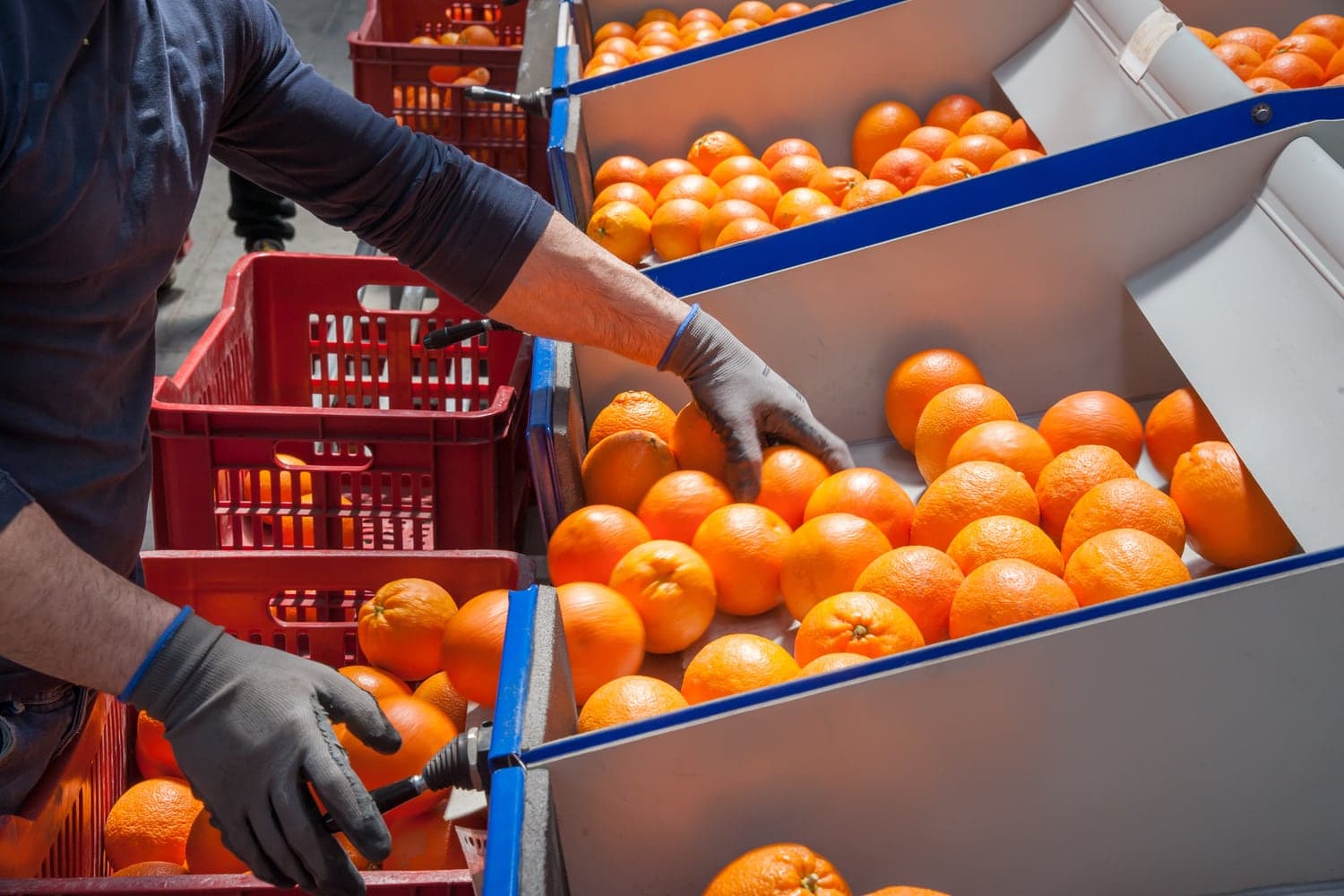
Colour break on the Çukurova plain came in the third week of September, which puts the first Okitsu containers on the water while most northern-hemisphere origins are still four to six weeks out. That head start is the single strongest position Turkish mandarin holds, and it is worth understanding what it costs.
Okitsu is picked on the acid drop rather than on sugar. Brix sits at 9–11°, which is modest, and the rind will often still carry a green shoulder at first pick. Buyers who judge early Satsuma on colour alone reject fruit that is physiologically mature and eating correctly. Where the destination market demands full colour, we degrease with ethylene to order and declare it on the lot.
The trade-off is storage. Early Satsumas are thin-rinded and soften in store; Okitsu will not carry a five-week transit late in its window. For anything beyond the early market, the answer is Owari from November, and W. Murcott from January.